EN
EN AR
AR FR
FR DE
DE HI
HI IT
IT JA
JA KO
KO PT
PT RU
RU ES
ES ID
ID LV
LV VI
VI HU
HU MS
MS GA
GA BE
BE YI
YI EU
EUManufacturing Process of Tungsten Copper Alloy
Tungsten copper alloy (WCu) is produced using advanced powder metallurgy techniques, with the infiltration method being the most mature and widely applied process in the industry. This process ensures a uniform microstructure, stable performance, and high density—critical for the alloy’s performance in industrial applications. Below is a detailed step-by-step guide to the manufacturing process of tungsten copper alloy.
Step 1: Powder Preparation
The first step is to select high-purity raw materials: tungsten powder (99.9% purity or higher) and copper powder. The tungsten powder is processed to ensure uniform particle size (typically 1–10 μm), which is critical for the final alloy’s density and performance. The copper powder is also purified to remove impurities that could affect conductivity and structural integrity.
Step 2: Compression Molding
The tungsten powder is placed into a mold and pressed under high pressure (100–500 MPa) to form a porous blank. The pressure is carefully controlled to ensure the blank has a uniform porous structure—this porosity will later be filled with molten copper. The shape of the blank can be tailored to the final product (e.g., rod, plate, block).
Step 3: Pre-Sintering
The pressed tungsten blank is placed in a sintering furnace and heated to a high temperature (1200–1500°C) under a protective atmosphere (e.g., hydrogen or argon) to prevent oxidation. Pre-sintering sinters the tungsten particles together, forming a rigid, porous tungsten skeleton. This skeleton provides the structural strength of the final alloy.
Step 4: Copper Infiltration
The porous tungsten skeleton is placed in a furnace with copper ingots or powder. The furnace is heated to above copper’s melting point (1085°C), causing the copper to melt. Under vacuum or protective atmosphere, the molten copper is drawn into the pores of the tungsten skeleton through capillary action. This process fills all the pores, forming a dense tungsten copper composite.
Step 5: Cooling & Forming
After infiltration, the furnace is cooled slowly to room temperature. This slow cooling prevents thermal stress and ensures the tungsten and copper bond tightly, forming a uniform microstructure. The result is a dense tungsten copper alloy blank with the desired shape.
Step 6: Processing & Finishing
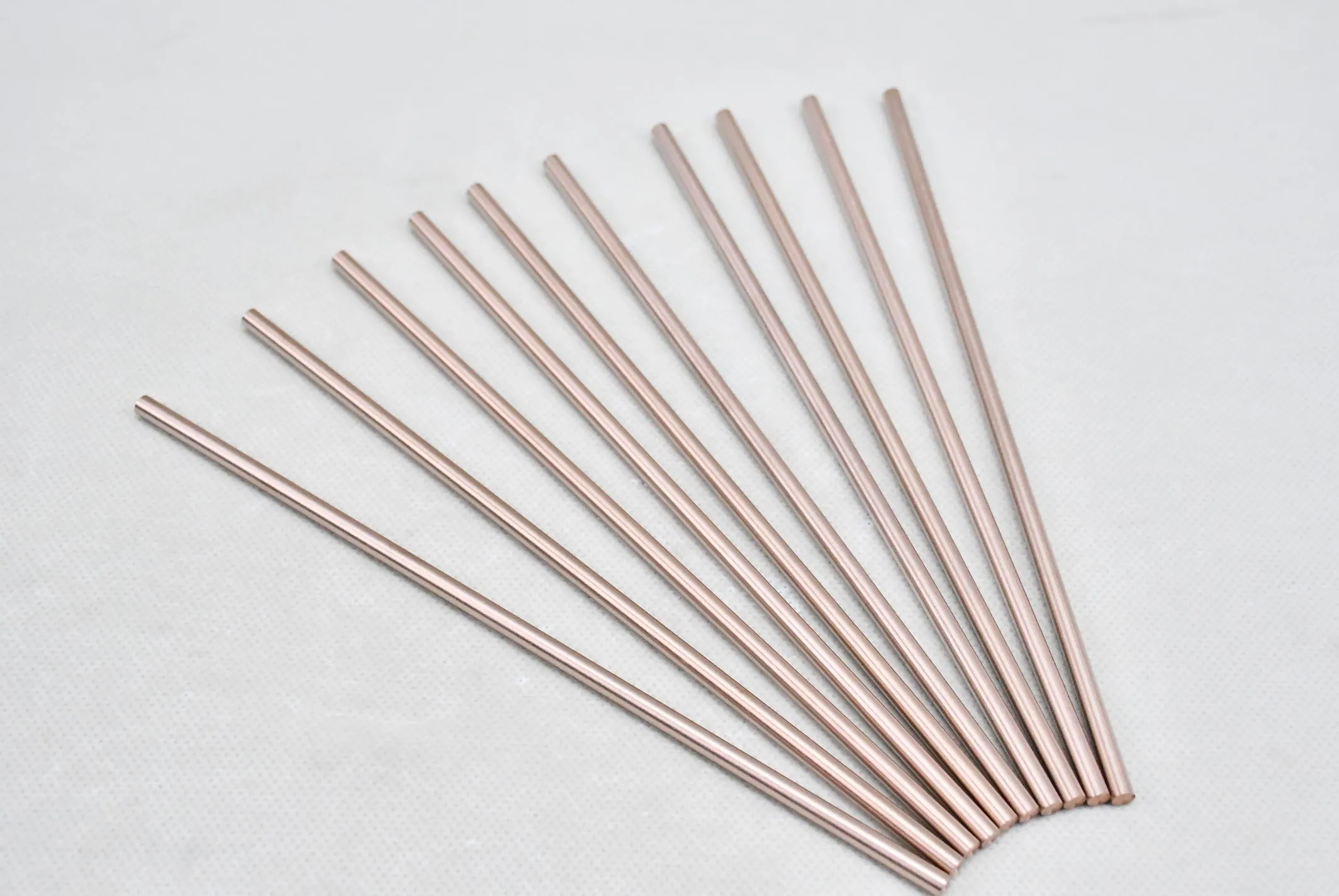
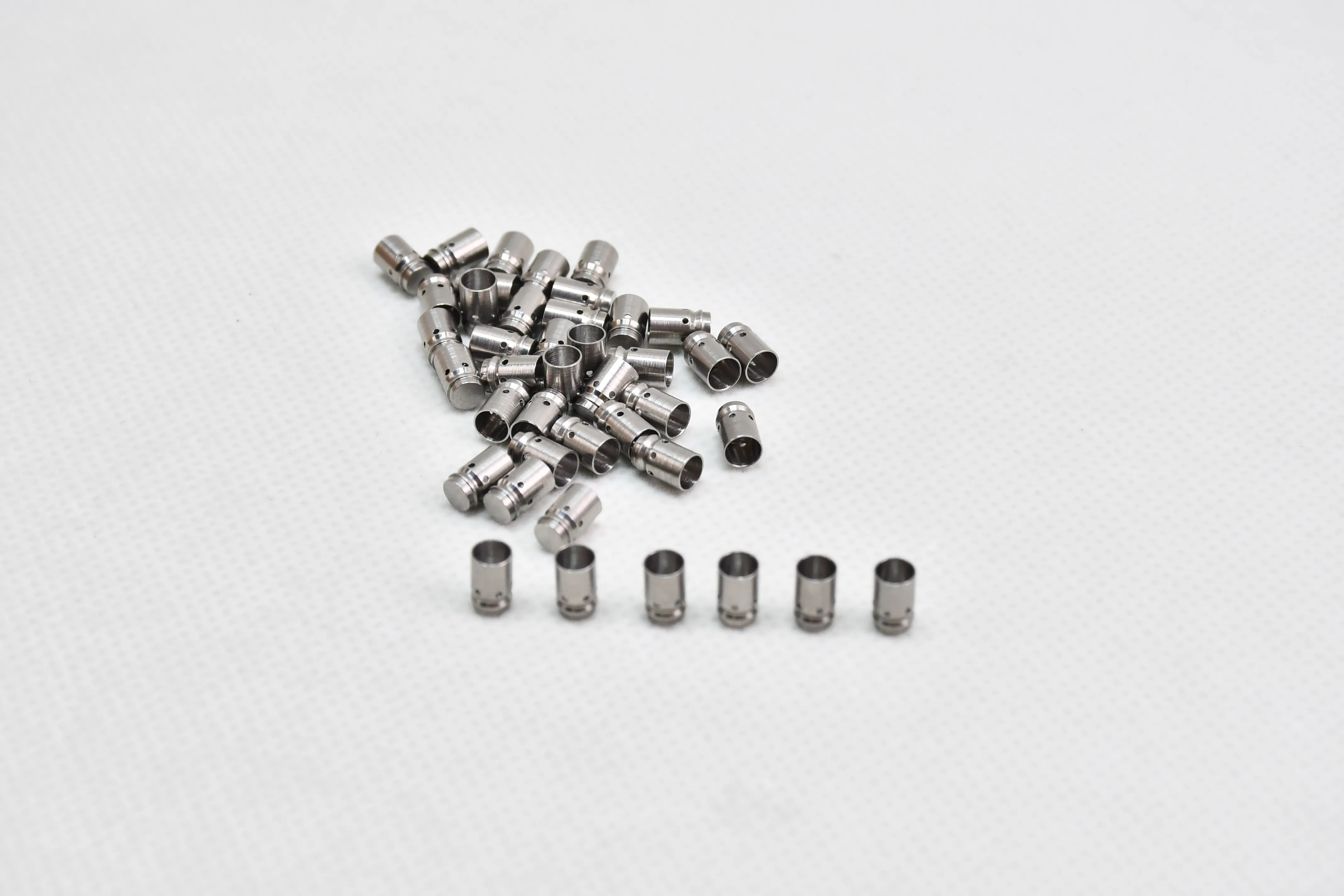
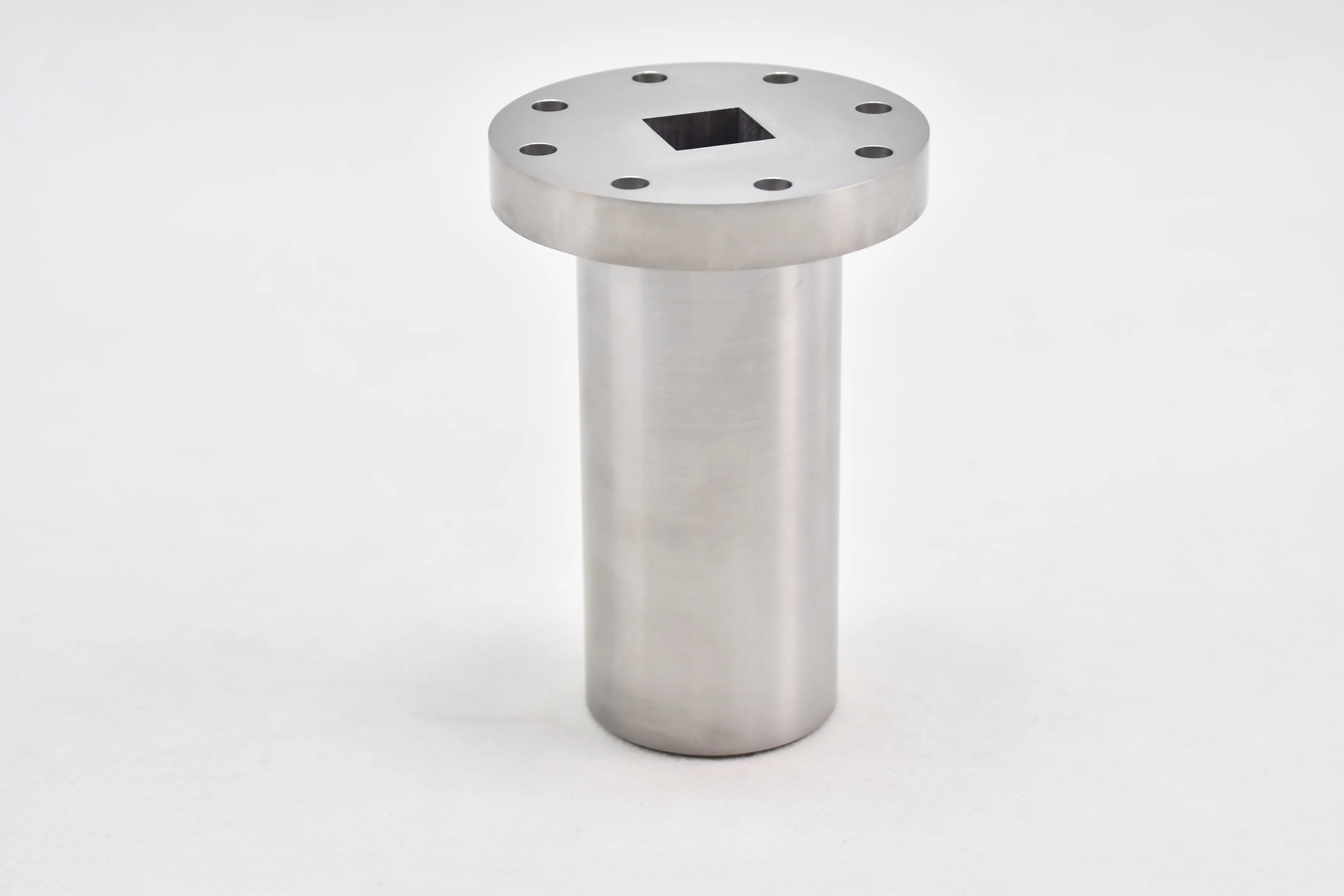
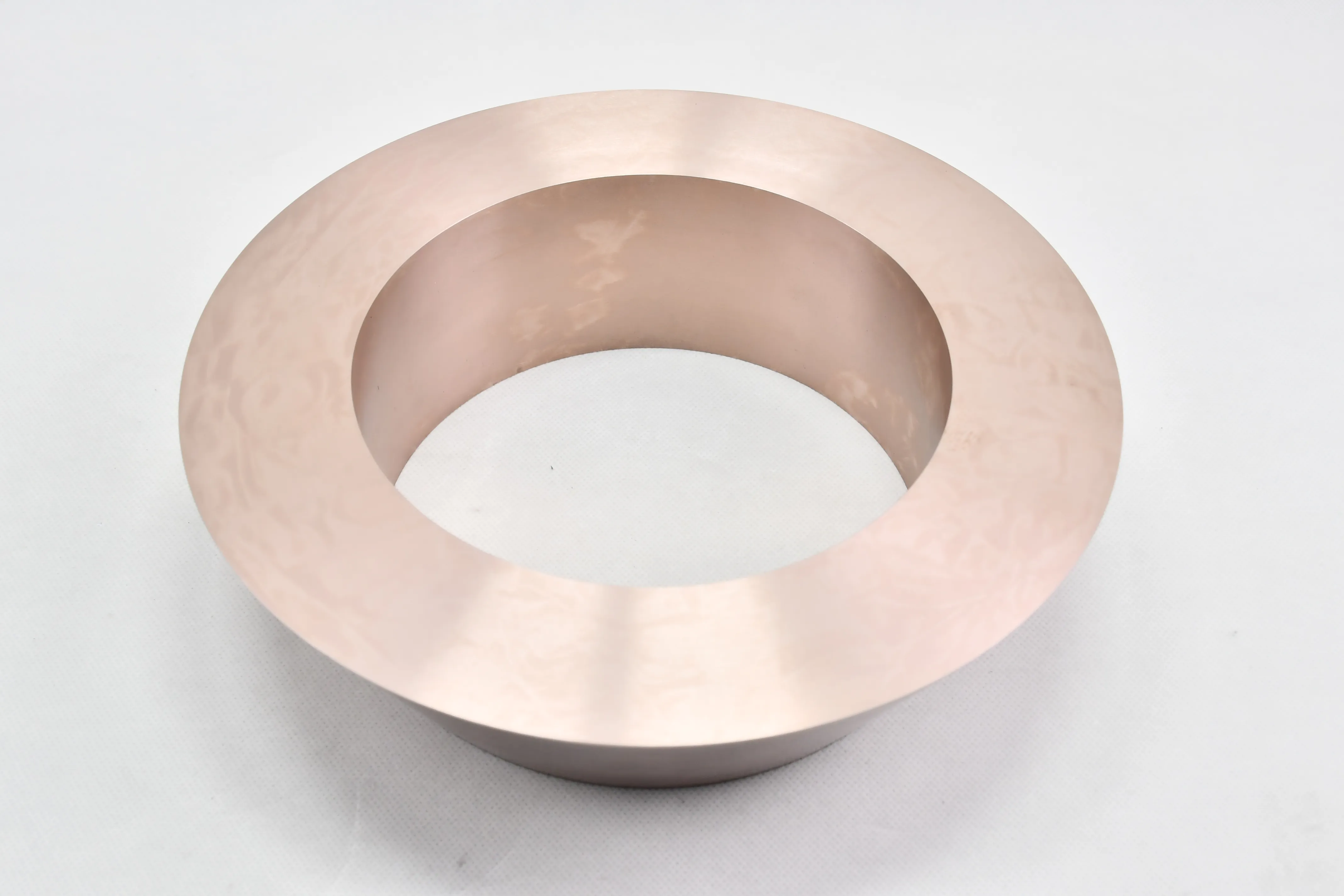
The tungsten copper blank is then processed into the final product through various machining techniques, including cutting, grinding, turning, milling, and polishing. This step ensures the product meets the required dimensions, surface roughness, and performance specifications. For custom parts, additional machining (e.g., drilling, tapping, CNC precision machining) is performed.
Quality Control
Throughout the manufacturing process, strict quality control is implemented to ensure the final product meets industry standards. This includes testing for density, hardness, electrical conductivity, thermal conductivity, and dimensional accuracy. Any defective products are rejected or reprocessed.
The infiltration method produces high-quality tungsten copper alloy with uniform structure, stable performance, and excellent mechanical and functional properties—making it suitable for a wide range of industrial applications.